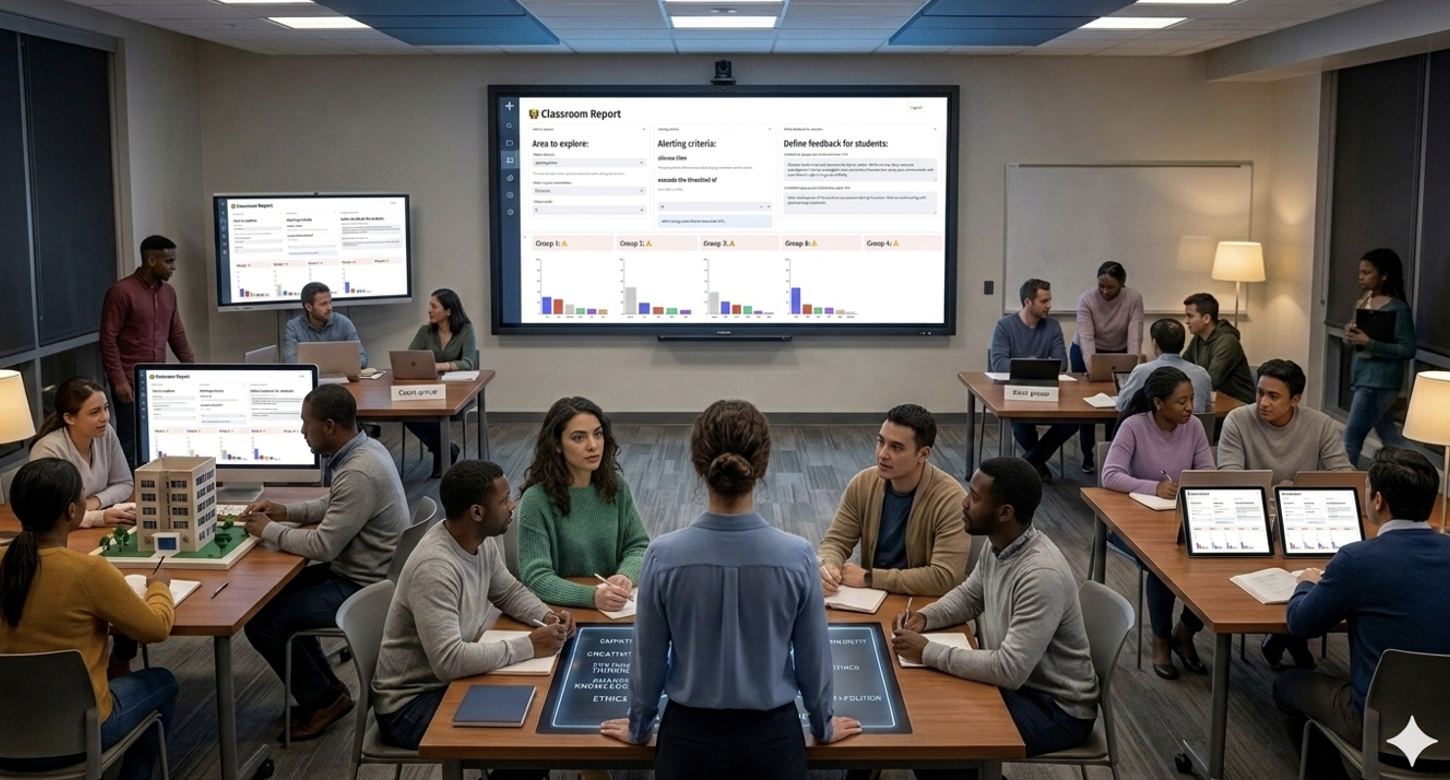
A validated model of teacher-AI complementarity in small-group collaborative learning in higher education, where AI agents help teachers detect challenge moments and meaningfully support group interactions, leading to informed teacher interventions and enhanced student collaboration.
Teachers achieve richer situational awareness of group interactions and regulatory behaviours than individual observation allows. Through critically engaging with AI-generated insights, challenging assumptions, co-reasoning, and contextualising findings, they exercise their pedagogical judgement while preserving their agency, deepen their capacity for informed intervention, and build continued professional growth.
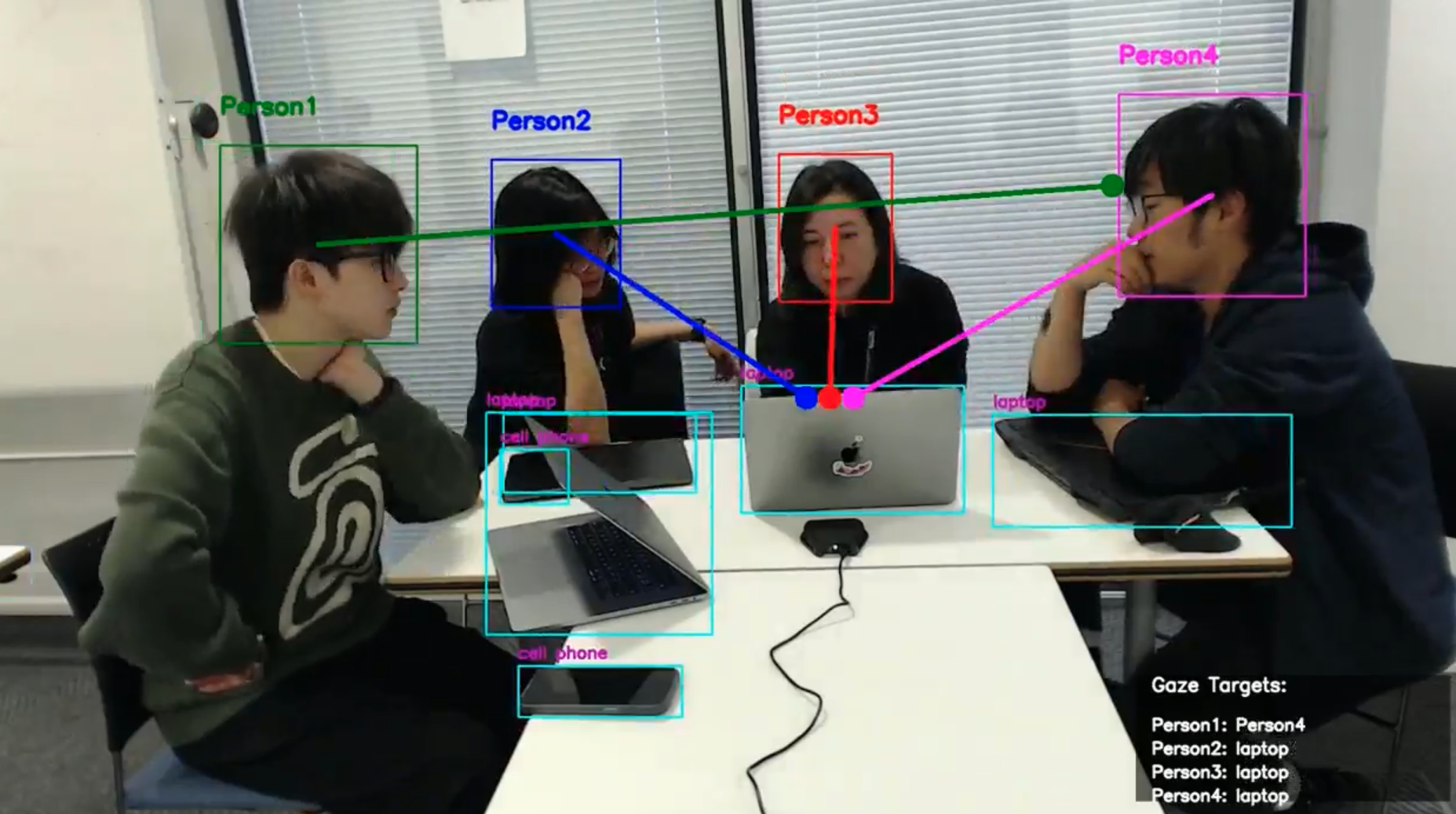
Collaboration skills are essential for both learning and future work, yet supporting collaborative learning remains a major challenge for teachers. In complex group settings, teachers must monitor multiple groups simultaneously and provide timely, targeted support, which can significantly increase cognitive load and workload. This case highlights the importance of teacher-AI complementarity: AI can assist by monitoring collaborative learning processes, identifying learning challenges in real time, and suggesting personalized interventions, enabling teachers to support students more effectively and sustainably.
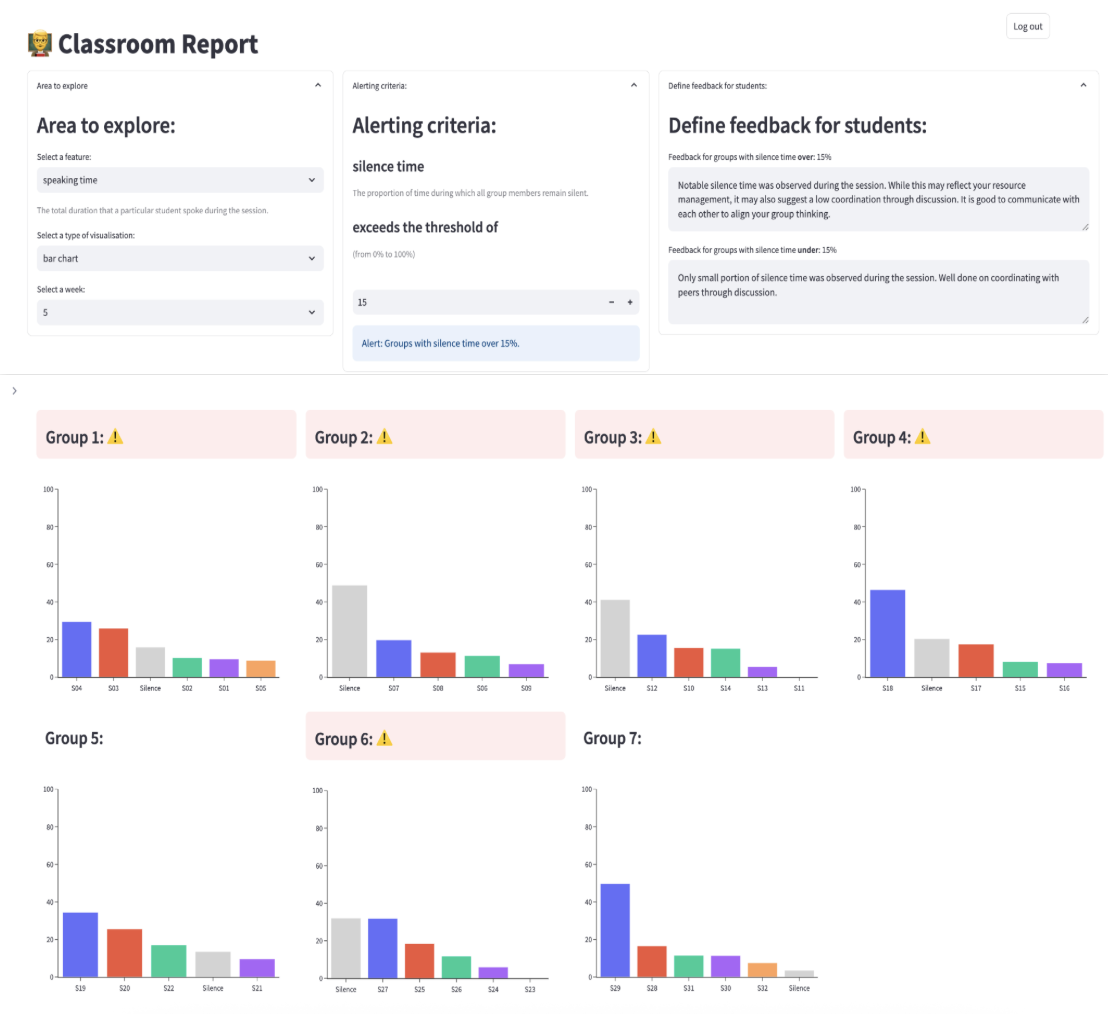
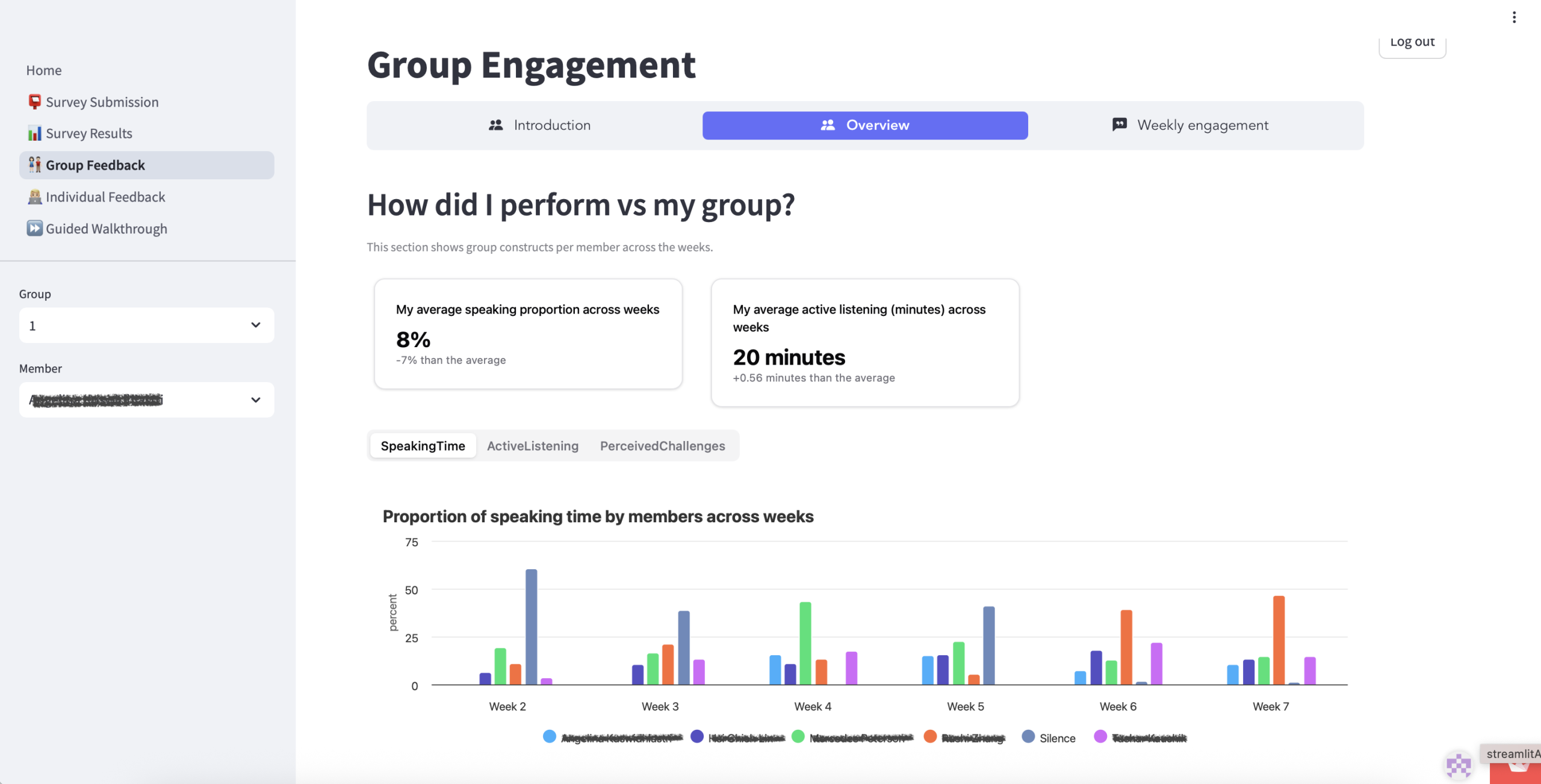
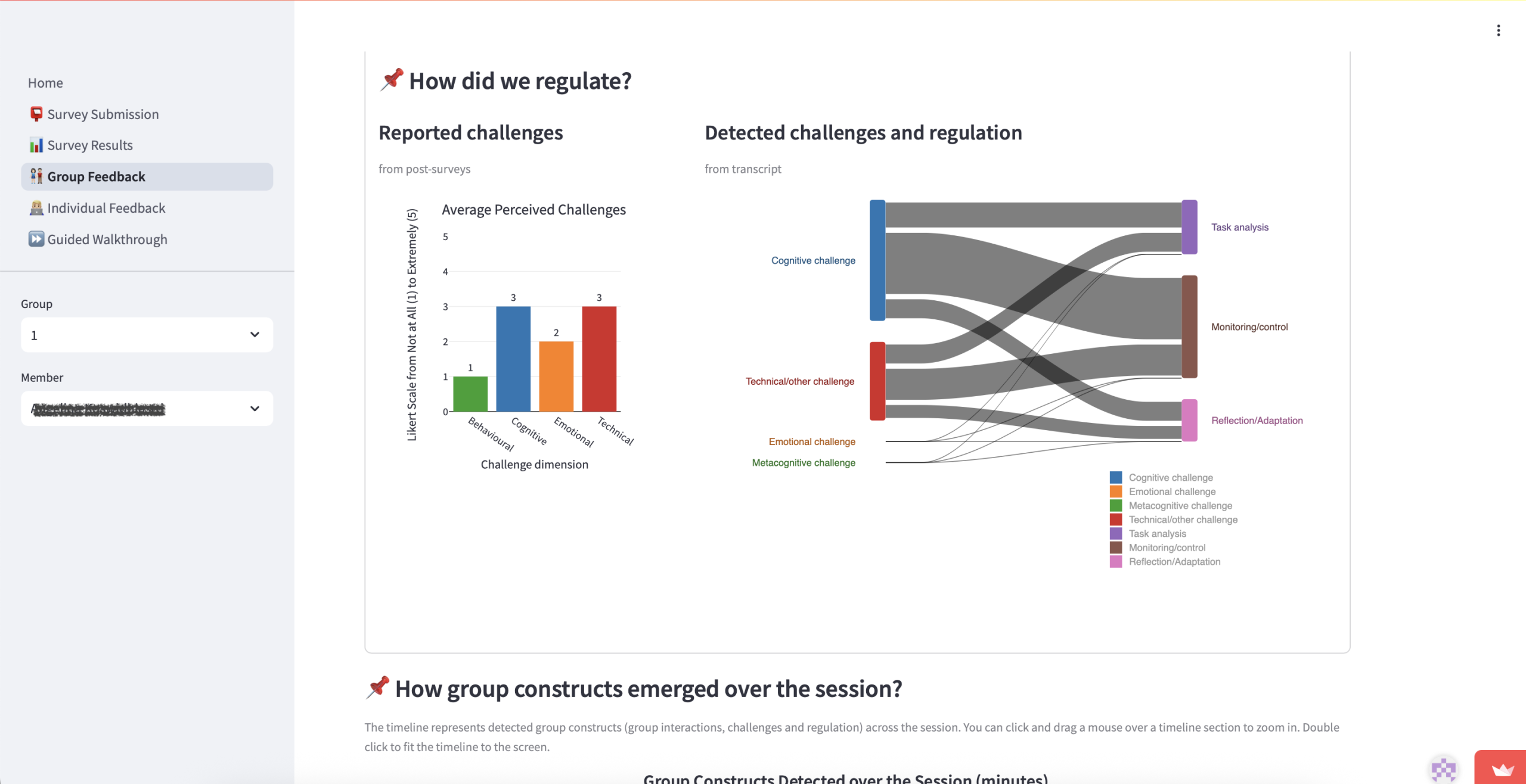
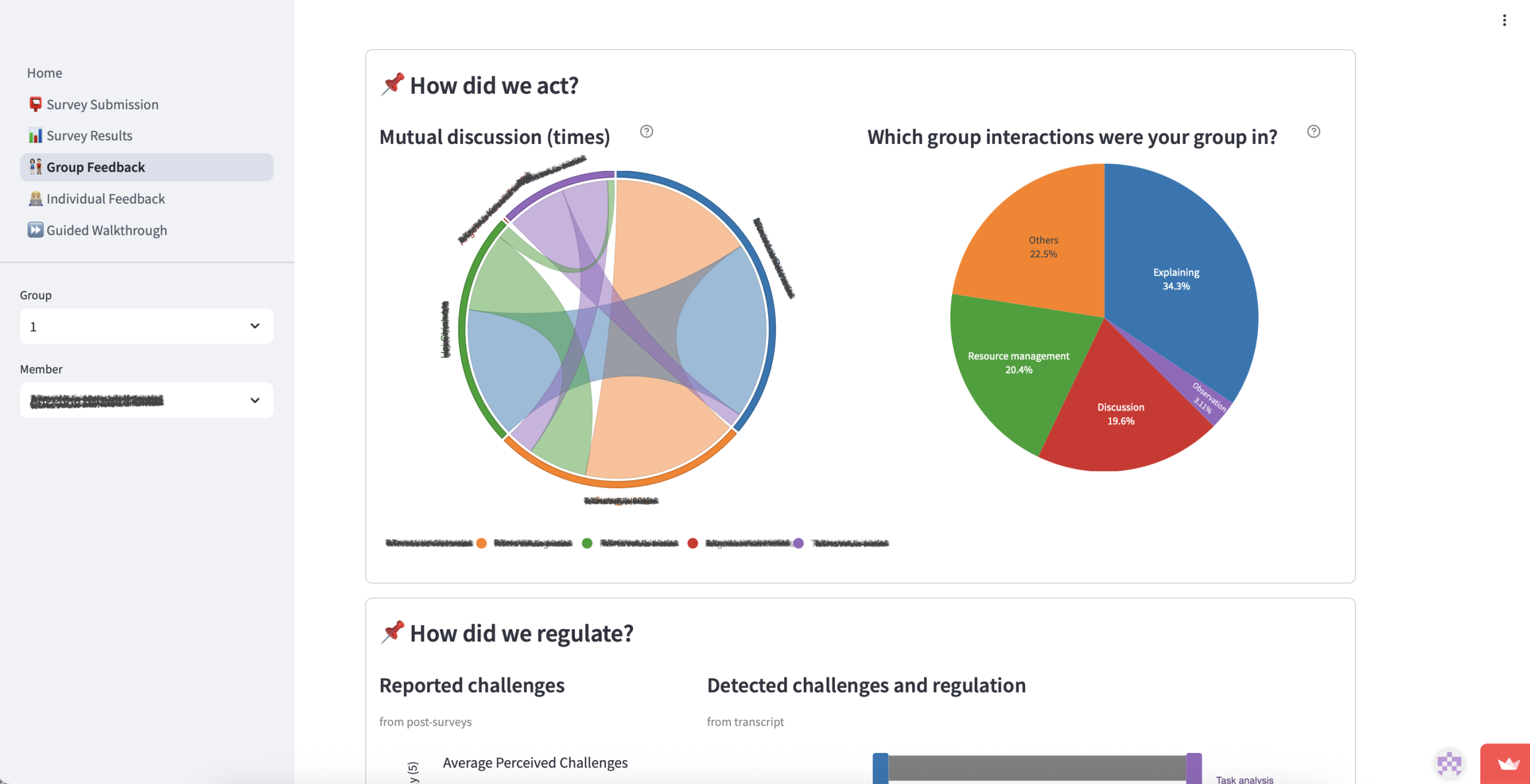
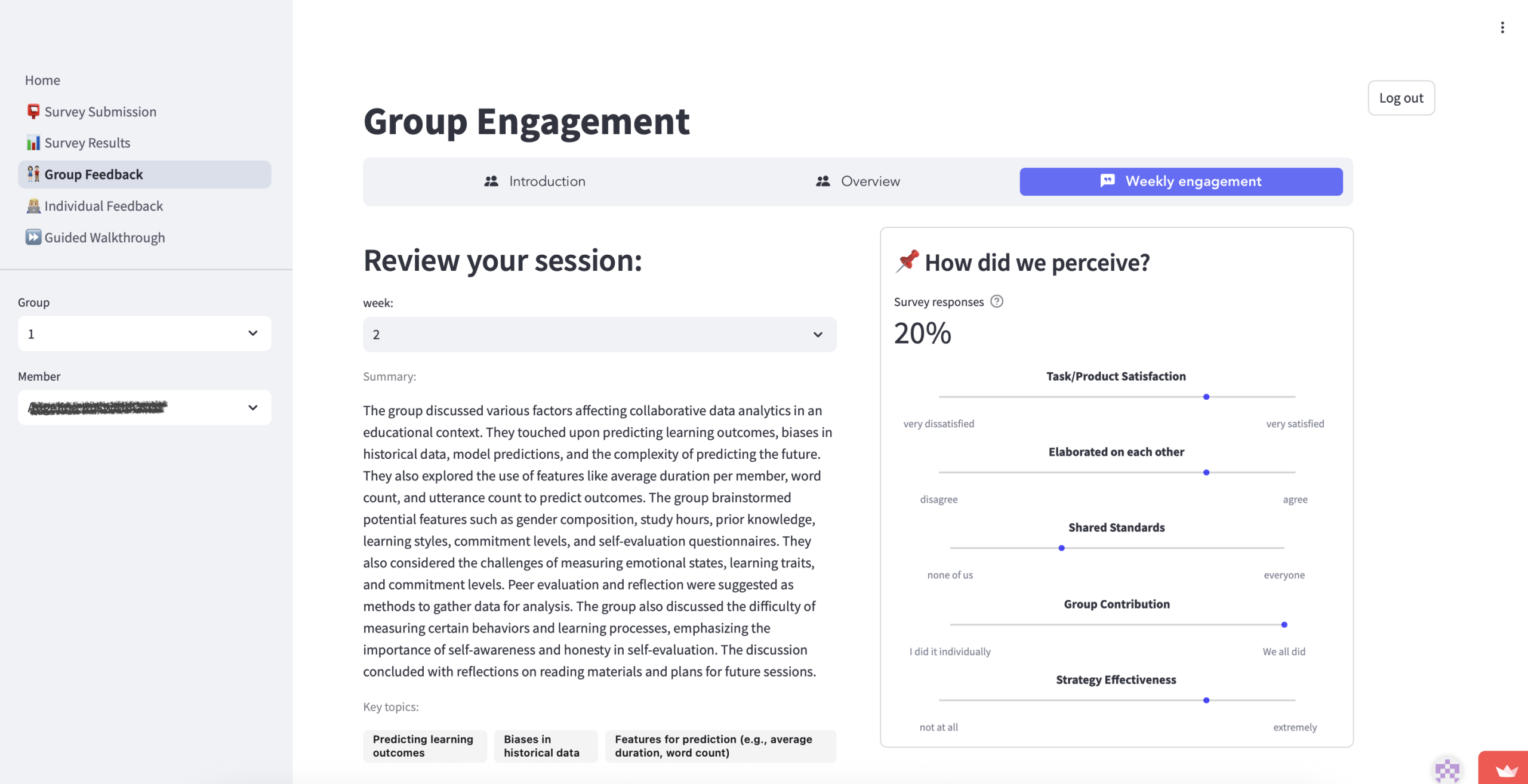
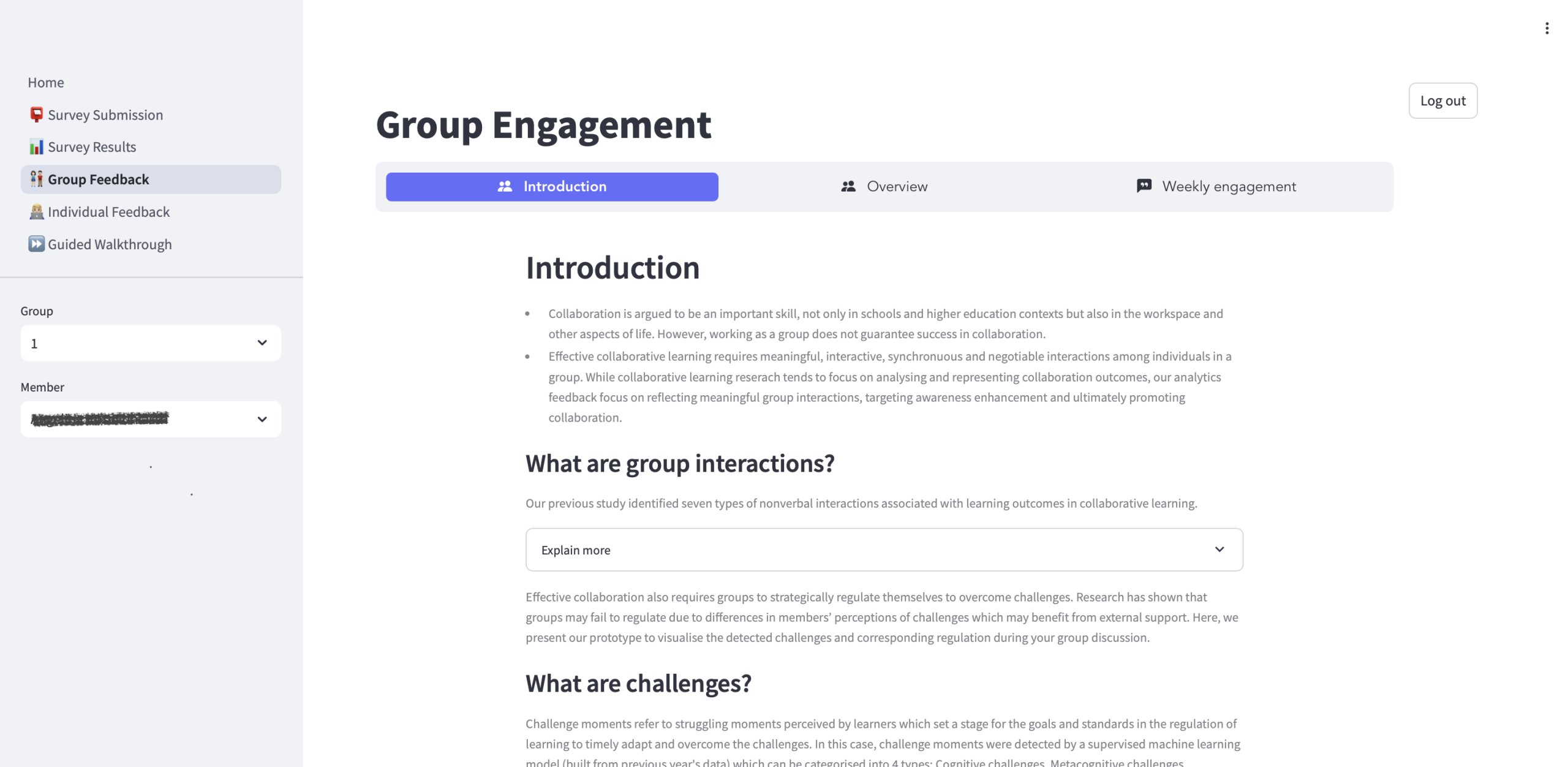
Supporting students’ collaborative and self-regulatory skills in group learning contexts is complex. Teachers must interpret detailed information on group interactions, identify critical moments of challenge, and understand regulatory processes to enhance students’ awareness after the activity. Effectively using this information to promote collaboration and self-regulation in subsequent tasks requires balancing real-time observation with post-hoc analysis, making it difficult to provide timely and targeted support for all students.

Funded by the European Union. Views and opinions expressed are however those of the author(s) only and do not necessarily reflect those of the European Union or the European Research Executive Agency (REA). Neither the European Union nor the granting authority can be held responsible for them. Project Number: 101177268
University for Continuing Education Krems