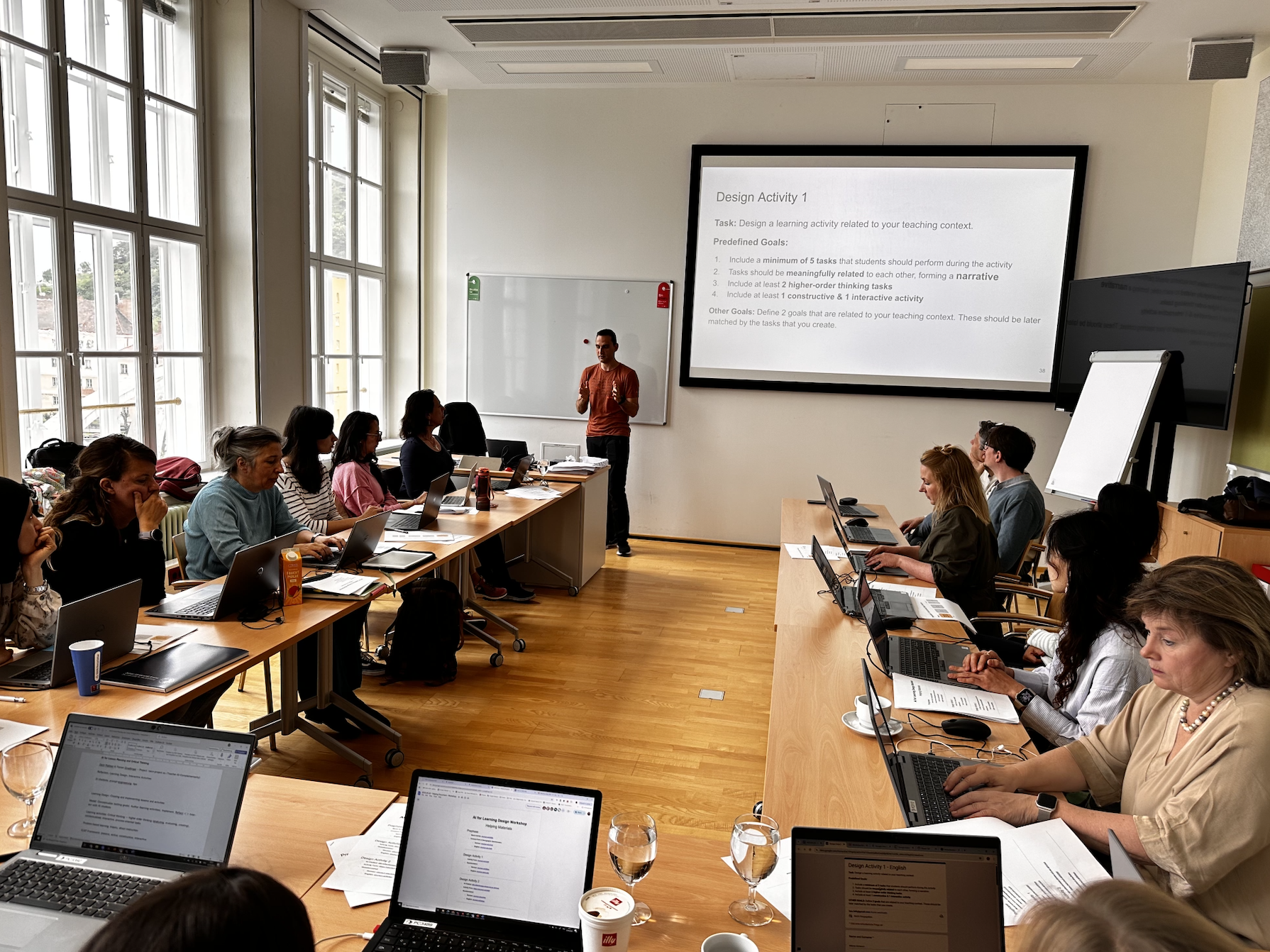
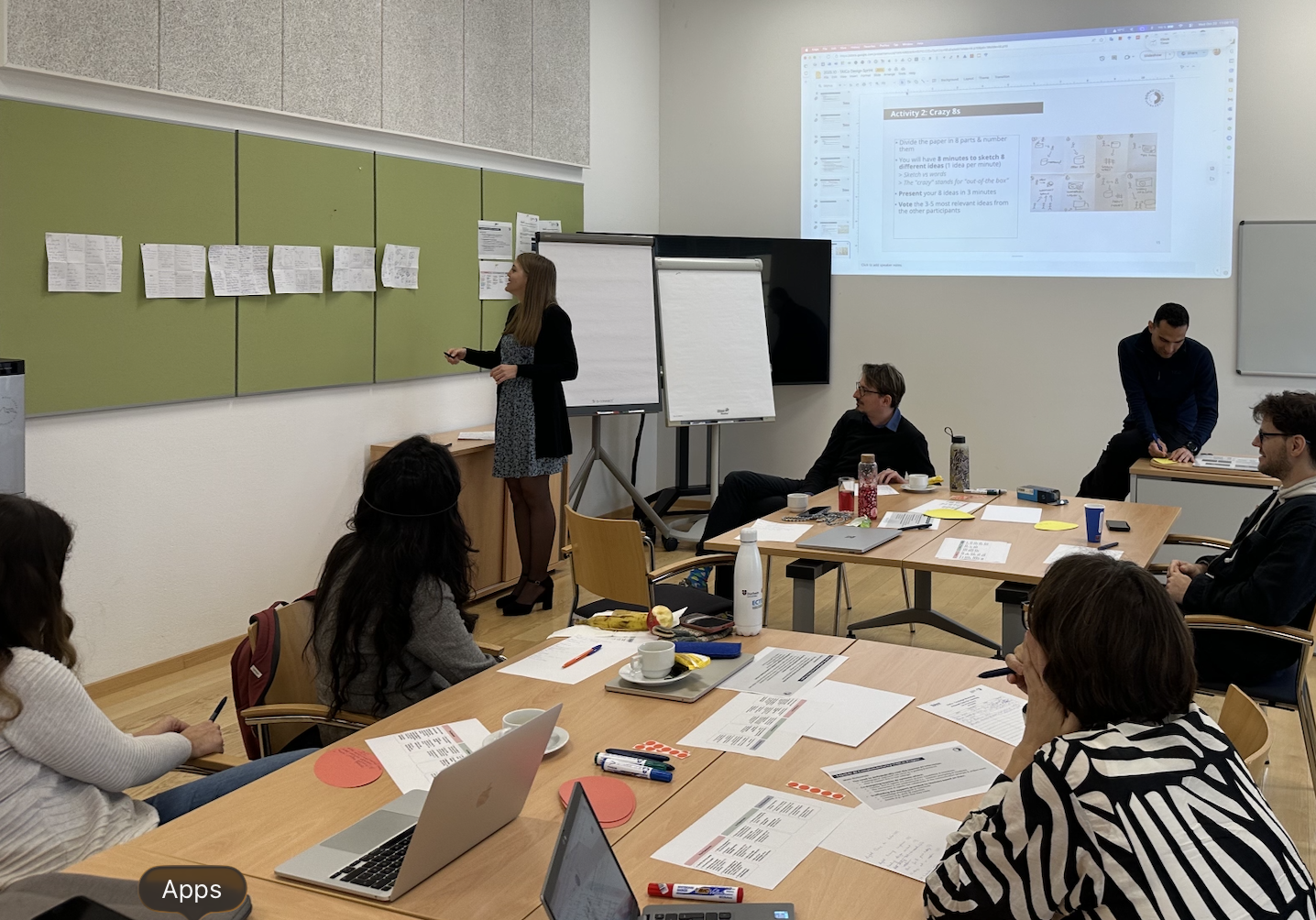
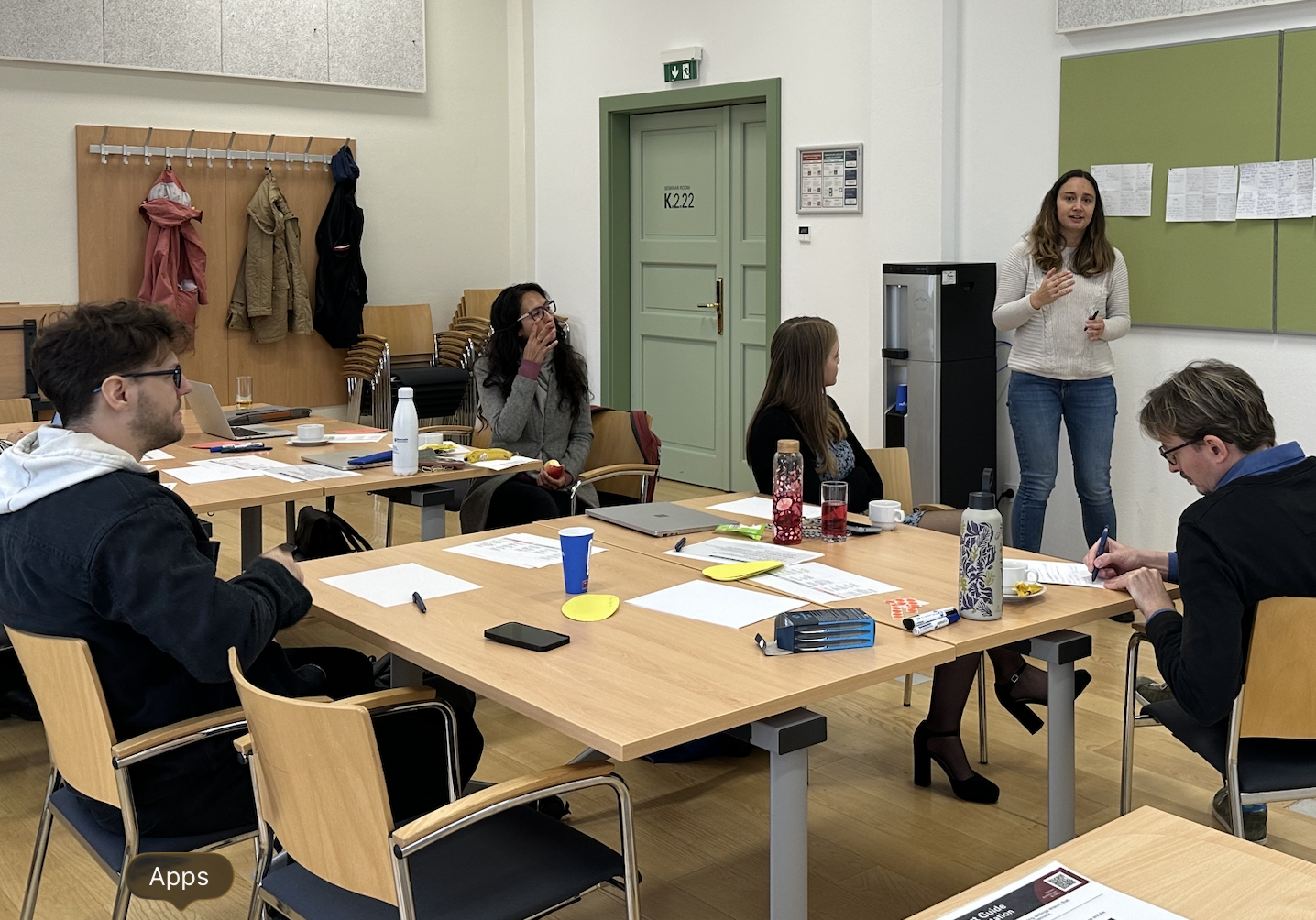
The starting point of this TAICo case is to co-design with teachers a comprehensive toolkit of AI-based tools to support the conceptualization and authoring of meaningful learning activities. But the higher objective of this TAICo case is to identify effective teacher-AI collaboration forms in this context that lead to guidelines for the EdTech sector to design and for teachers to implement such AI tools.
The expected guidelines for the EdTech sector to design AI tools in this context, as well as the results regarding the implementation of these tools, are beneficial for teachers in two ways:
1. The guidelines for the implementation of AI-based tools for conceptualization and authoring of learning activities can be taken into account by teachers and enable them to make evidence-based decisions on how to implement AI-based tools into their professional practices.
2. The EdTech sector will be enabled to adapt existing products and services based on evidence-based results to support teacher-AI collaboration. Hence, teachers might see AI-based tools that directly support teacher-AI collaboration in the near future.
Additionally, teachers who are involved in the co-design process have a professional development opportunity that empowers them to take an active role in the design and development of AI tools.
Conceptualizing and authoring meaningful learning activities is a complex task that demands a combination of pedagogical, technical, and content knowledge from teachers. The quality of these activities directly influences student learning outcomes. AI-based tools, when grounded in sound pedagogical principles, can support teachers during this challenging process. Therefore, it is crucial to explore how such tools can be thoughtfully designed and how professional pedagogical practices might change due to teacher-AI collaboration.
The main challenges include the pedagogical and technical skills teachers need to effectively engage in meaningful teacher-AI collaboration, as well as the design of AI tools that genuinely reflect teachers’ needs, practices, and classroom contexts.

Funded by the European Union. Views and opinions expressed are however those of the author(s) only and do not necessarily reflect those of the European Union or the European Research Executive Agency (REA). Neither the European Union nor the granting authority can be held responsible for them. Project Number: 101177268
University for Continuing Education Krems